
Two community projects will bring mental health and substance use services directly to underserved
ACHF, in partnership with Jackson Care Connect and CareOregon, recently awarded $30,000 to fund two projects designed to expand access to mental health services for the region’s most vulnerable populations. These investments address longstanding gaps in care by meeting people where they are, removing barriers to access, and creating environments where healing can begin.
The first project supports Addictions Recovery Center, Inc. (ARC), which provides a full continuum of substance use disorder (SUD) and mental health services to individuals and families across Phoenix, Talent, Ashland, and surrounding communities.
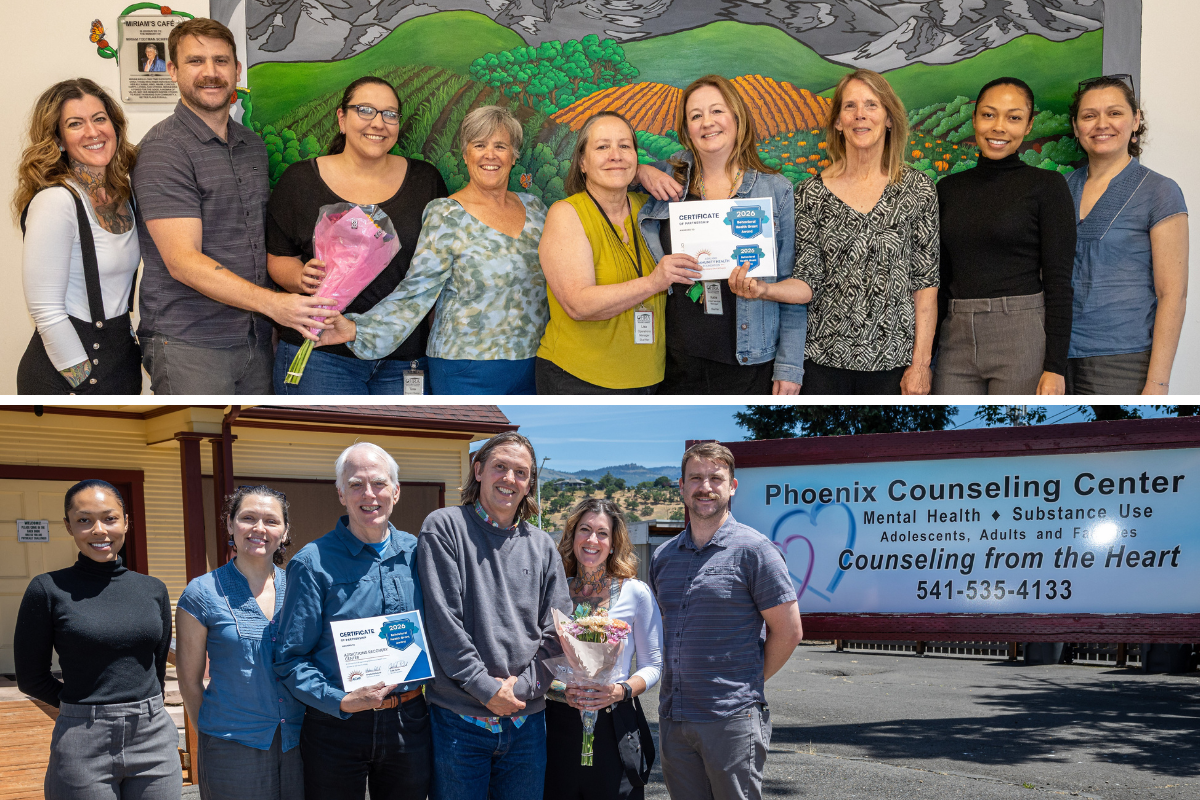
The project will fully equip a dedicated 15-person group therapy room with durable and appropriate facilitation furnishings at Phoenix Counseling Center (PCC), an ARC program based in Phoenix providing mental health and co-occurring SUD services. It will also enhance the waiting area to support safety and dignity from the moment someone walks through the door. When environments feel crowded or institutional, engagement can be challenging. According to ARC Mental Health Director Meg Wills, this investment ensures the physical space reflects the quality of care the center is committed to providing.
“Creating a space that feels welcoming, inclusive, and comfortable makes a real difference in how youth and families engage in care,” Wills said. “Our clients deserve to feel respected, valued, and supported, and the environments we provide have a direct impact on their experience at PCC. We are deeply grateful for the opportunity to create a bigger, beautiful, more therapeutic space for the individuals and families we serve each day.”
Group-based services are often among the most accessible entry points into behavioral health care, allowing multiple people to receive support simultaneously while reducing isolation and expanding community reach. Currently, the center’s group sessions accommodate approximately 6 to 8 participants. This project expands that capacity to up to 15 participants per session, doubling the number of people who can access structured behavioral health support at one time.
The second project places a part-time dedicated therapist on-site at the OHRA Shelter in Ashland, bringing behavioral health services directly to unhoused residents during accessible hours.
Unhoused individuals living with behavioral health disorders face compounding barriers to care. Jackson County’s two primary Medicaid behavioral health providers are located in Medford, leaving unhoused Ashland residents at risk of losing care if they miss transportation too many times. Waiting lists, provider disenrollment policies, and the persistent stigma surrounding mental health create additional obstacles. For individuals with a long history of exclusion from society’s institutions, traditional service settings can feel unwelcoming, making engagement difficult before care even begins.
This project is designed to dismantle those barriers. By embedding services directly at OHRA, the program eliminates logistical hurdles while building the trust and acceptance essential to meaningful engagement. Care comes to the people who need it most, on their terms and in their space.
This funding is made possible through a partnership with Jackson Care Connect and CareOregon, whose commitment to improving health equity and expanding access to behavioral health services throughout the region makes investments like these possible.
At Jackson Care Connect, we know that access is one of the biggest challenges to behavioral health care. These grants help bring behavioral health services directly into trusted community spaces, meeting people where they already are. By embedding care within organizations like ARC and OHRA, we’re reducing barriers and expanding access to timely, compassionate support for community members who may otherwise struggle to connect with behavioral health care. – Julia Jackson, Director of Behavioral Health at Jackson Care Connect
Together, these two projects reflect a commitment to funding both direct service delivery and the infrastructure that makes quality care possible. Ashland Community Health Foundation is grateful for the opportunity to partner with Jackson Care Connect and CareOregon to support these two organizations.
Group photos by Bob Palermini